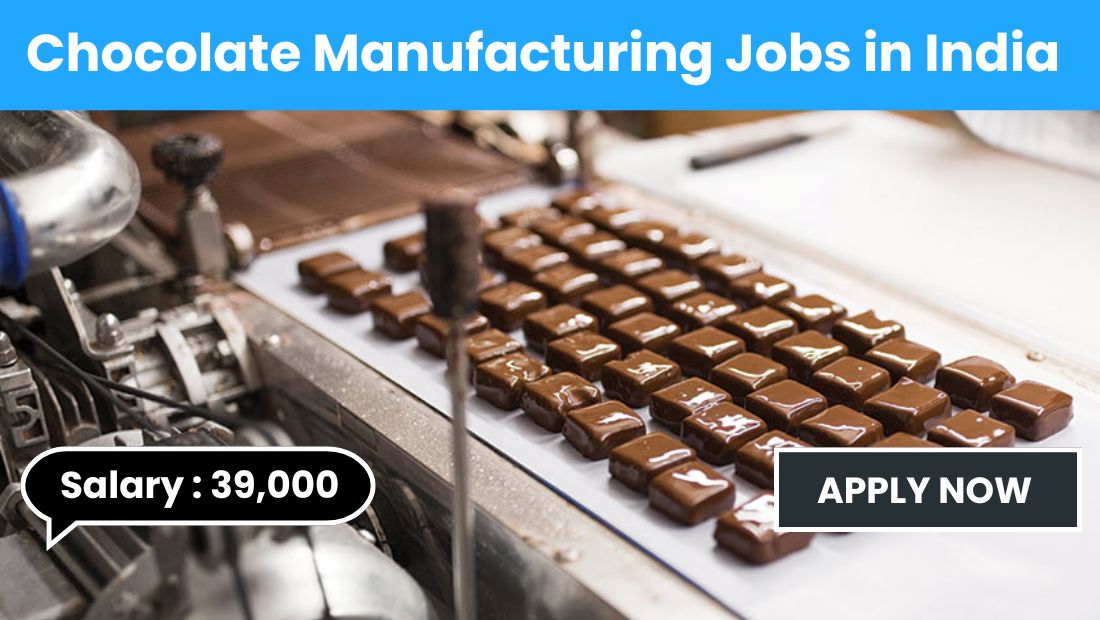
The year 2026 marks a transformative phase for India’s chocolate manufacturing sector. Once seen as a niche luxury product, chocolate has now evolved into an everyday indulgence for millions across the nation. This changing consumer behavior has inspired both global and Indian brands to scale up their production capacities and invest heavily in new manufacturing units. The result — a surge in job openings across various departments in the confectionery industry, from production and packaging to quality control, logistics, and research & development.
In 2026, the Indian chocolate industry isn’t just growing; it’s thriving. Major players such as Cadbury (Mondelez), Amul, Nestlé, Ferrero Rocher, Mars, and Hershey’s are expanding their facilities and workforce to meet the rising demand for chocolate products. As these companies open new factories in key industrial hubs, the employment landscape is becoming richer and more diverse, offering roles for everyone — from freshers entering the workforce to skilled technicians, engineers, and food scientists.
The Expanding Chocolate Market in India
India’s love affair with chocolate has grown deeper in the past decade. The evolution of affordable product lines, the emergence of premium gifting trends, and the creativity of homegrown artisan brands have fueled tremendous growth in the market. What was once limited to urban consumption has now spread to smaller towns and rural regions.
Market research reports predict that India’s chocolate industry will cross ₹25,000 crore in annual revenue by 2026. This impressive growth is supported by two major trends — higher domestic consumption and an increase in exports. With new-age retail chains, online delivery platforms, and gifting culture becoming integral to modern lifestyles, chocolate production has turned into a high-demand, high-skill domain that promises stability and long-term career development.
Where the Opportunities Are
Manufacturing hubs such as Pune, Mumbai, Ahmedabad, Bengaluru, Hyderabad, Coimbatore, and Indore are witnessing a hiring boom. These cities are home to large-scale chocolate production plants equipped with automated machinery, advanced cooling systems, hygienic packaging lines, and high-end quality control labs. Candidates with varying educational backgrounds — from 10th pass to postgraduates — are finding rewarding positions in these factories.
Key Job Roles in Chocolate Manufacturing
Each chocolate bar that reaches consumers involves multiple stages of production, and every stage needs skilled manpower. Below are some of the most in-demand positions for 2026:
1. Production or Machine Operator
Operators manage essential equipment like mixers, conches, moulders, and cooling tunnels. They ensure consistent quality, proper mixing, and the smooth operation of the entire production line. ITI and diploma holders are particularly suited for these roles, though 10th or 12th pass candidates with factory experience are also preferred.
2. Packaging Assistant
This department ensures that every chocolate is perfectly wrapped, labeled, and ready for dispatch. Freshers often start their careers here, handling semi-automatic or automated packaging lines while maintaining hygiene and precision.
3. Quality Control Executive
Quality is at the heart of chocolate manufacturing. Professionals in this role test samples, monitor temperature and hygiene levels, and ensure every batch meets company standards. Candidates with degrees in Food Technology, Chemistry, or Microbiology are ideal for this position.
4. Maintenance Technician
To keep production running efficiently, technicians handle preventive maintenance, fix breakdowns, and assist in new equipment installations. ITI or diploma holders in mechanical or electrical trades are in high demand.
5. Warehouse & Dispatch Assistant
This role involves managing raw materials and finished goods inventory, ensuring timely dispatch, and coordinating with logistics teams. It’s a crucial role for maintaining the supply chain flow.
6. Chocolate Chef / Food Technologist
Those with a creative streak can work on developing new chocolate varieties, experimenting with flavors, and improving texture and shelf life. Candidates with degrees in Culinary Arts or Food Technology often find these roles rewarding.
7. Factory Supervisor / Shift Incharge
Supervisors oversee the production process, manage staff, and maintain safety and hygiene standards. With experience, these roles can lead to plant manager or operations head positions.
Salary Overview in 2026
| Job Role | Starting Salary (₹/Month) | Growth Potential (₹/Month) |
|---|---|---|
| Production Operator | ₹18,000 – ₹25,000 | ₹30,000 – ₹40,000 |
| Packaging Assistant | ₹15,000 – ₹22,000 | ₹25,000 – ₹30,000 |
| Quality Control Executive | ₹30,000 – ₹45,000 | ₹50,000 – ₹70,000 |
| Maintenance Technician | ₹25,000 – ₹35,000 | ₹40,000 – ₹55,000 |
| Warehouse Assistant | ₹18,000 – ₹28,000 | ₹30,000 – ₹40,000 |
| Factory Supervisor | ₹35,000 – ₹50,000 | ₹60,000 – ₹80,000 |
| Food Technologist | ₹40,000 – ₹60,000 | ₹70,000 – ₹1,00,000 |
Compensation varies depending on skill level, company size, and experience. Multinational brands tend to offer better pay scales, performance bonuses, and insurance coverage.
Apply Here :
Benefits and Perks
Working in the chocolate industry isn’t just financially rewarding — it offers a stable and pleasant work culture. Employees often enjoy benefits such as:
- Medical and life insurance coverage
- Subsidized meals or canteen facilities
- Paid leaves and festival holidays
- Overtime pay and shift allowances
- Uniforms and safety gear
- Regular training and internal promotion opportunities
Skills That Employers Value
Success in chocolate manufacturing depends on a mix of technical knowledge and soft skills. The most valued attributes include:
- Attention to quality and detail
- Knowledge of food safety and hygiene protocols
- Machine operation and basic maintenance understanding
- Teamwork and communication skills
- Record-keeping ability and computer literacy
- Physical stamina for factory shifts
Leadership and problem-solving abilities are essential for those aspiring to move into supervisory or R&D roles.
Working Conditions and Eligibility
Most chocolate factories maintain temperature-controlled environments, ensuring worker comfort and product quality. The typical shift duration is 8 hours, with rotational and night-shift options.
Eligibility Criteria:
- Education: 10th pass to postgraduate (role-dependent)
- Experience: Freshers and experienced candidates welcome
- Age Limit: 18–35 years
- Languages: Hindi, English, or regional language proficiency
How to Apply
Candidates can apply directly through official career pages of leading companies like Cadbury, Amul, Nestlé, Mars, or Hershey’s. Job seekers can also find listings on platforms such as Naukri.com, Indeed, JobHai, or LinkedIn by searching for “Chocolate Factory Jobs in India.”
For smaller local manufacturers, walk-in interviews and employment consultancies remain a good option.
Documents typically required include:
- Updated resume
- Aadhaar and PAN card
- Educational certificates
- Passport-size photos
- Experience or training certificates
The selection process often involves an HR interview, technical or skill test, and a basic health check before onboarding.
Leading Chocolate Manufacturers Hiring in 2026
- Mondelez India (Cadbury) – Maharashtra, Himachal Pradesh
- Amul Chocolate Division – Gujarat
- Nestlé India – Punjab, Karnataka, Tamil Nadu
- Ferrero India Pvt. Ltd. – Baramati (Pune)
- Mars Wrigley India – Hyderabad
- Campco Chocolate Factory – Mangalore
- Hershey India – Bhopal, Mandideep
In addition, boutique brands such as Mason & Co., Smoor, and Paul & Mike are hiring chocolatiers and artisan product designers for their luxury lines.
Career Progression and Future Scope
The chocolate industry offers clear growth pathways. Machine operators can advance to line supervisors, while food technologists may progress into product innovation or R&D leadership. Quality control professionals often move into audit and compliance roles.
With India’s chocolate exports rising annually, skilled professionals are finding opportunities not just domestically but in international facilities too.
Conclusion
The year 2026 presents a golden moment for anyone looking to build a career in India’s booming confectionery industry. Chocolate manufacturing jobs are no longer limited to factory work — they offer professional growth, financial stability, and the satisfaction of being part of a joyful industry that spreads happiness.
From operating machines that craft the perfect chocolate bar to designing the flavors that define modern indulgence, every role contributes to this sweet success story. For those who value creativity, discipline, and steady growth, India’s chocolate sector offers a future that’s as delightful as the products it creates — one bite, and one career step, at a time.